
What to Expect at Rhino Watch Safari Lodge: A Complete Guest Guide
Guests at Rhino Watch Safari Lodge can expect a conservation-centered luxury experience on Kenya’s highlands. Located adjacent to the Solio Game Reserve, the lodge offers exclusive access to Africa’s premier rhino sanctuary, featuring high-end chalet or tented accommodation, expert-led tracking safaris, and a low-impact, intimate atmosphere designed for serious wildlife enthusiasts.
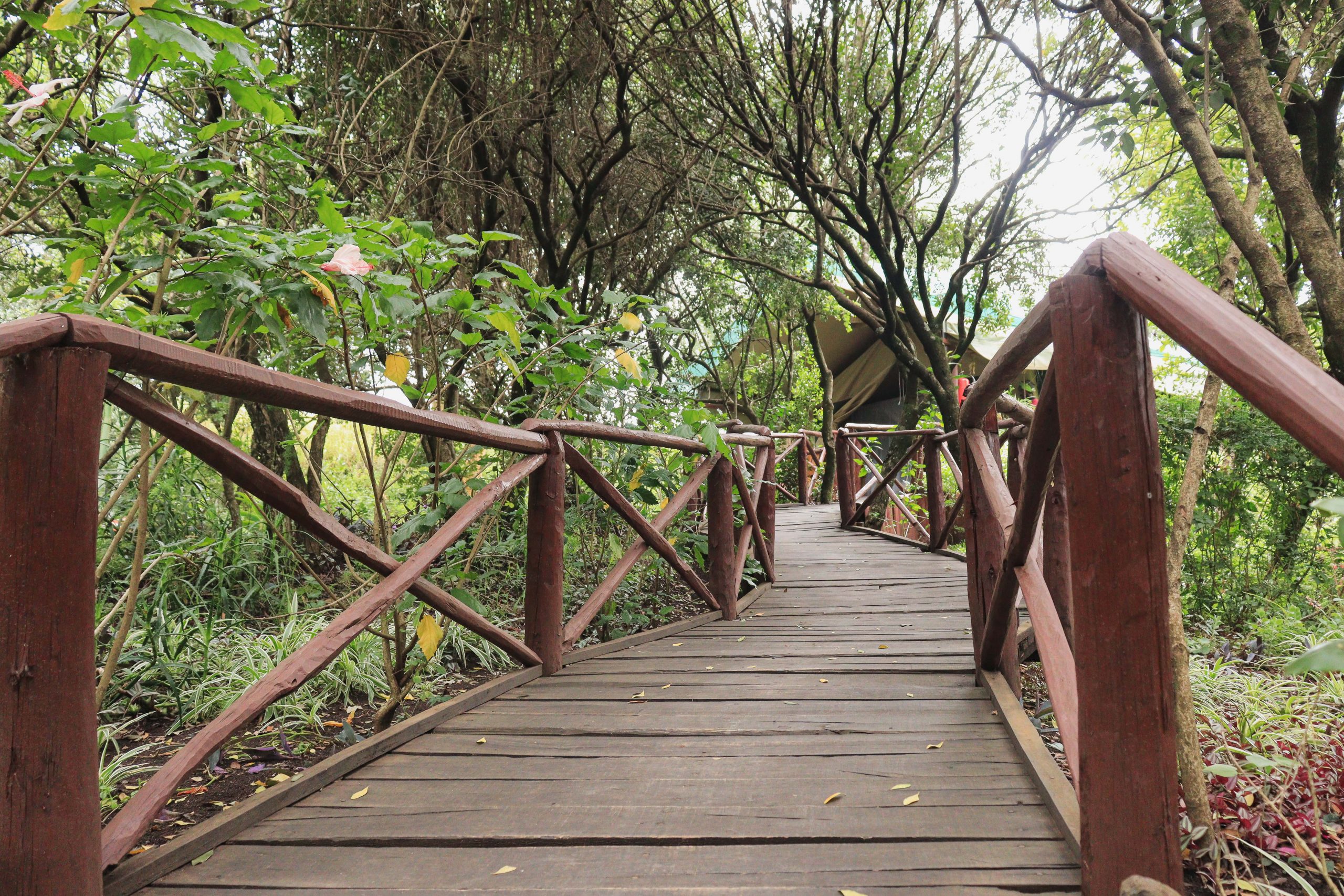
Where is Rhino Watch Safari Lodge located?
Rhino Watch Safari Lodge is situated on the expansive eastern base of the Aberdare range, nestled between the foothills of Aberdare National Park and the snow-capped peaks of Mount Kenya. Our property is next to Solio Game Reserve, a 17,500-acre private conservancy internationally recognized as the most successful private rhino breeding reserve in Africa.
The lodge’s position offers a strategic vantage point. While many travelers overlook the central highlands in favor of the Maasai Mara, our guests enjoy a more temperate climate and significantly lower vehicle density, ensuring that sightings of the “Last Giants” remain private and profound.
What are the Accommodation Options?
We have designed our rooms to harmonize with the Laikipia landscape, prioritizing privacy and views of the surrounding bush.
- Luxury Chalets: Ideal for couples or solo travelers seeking permanent structures, these units feature local stone work and expansive glass windows to bring the outdoors in.
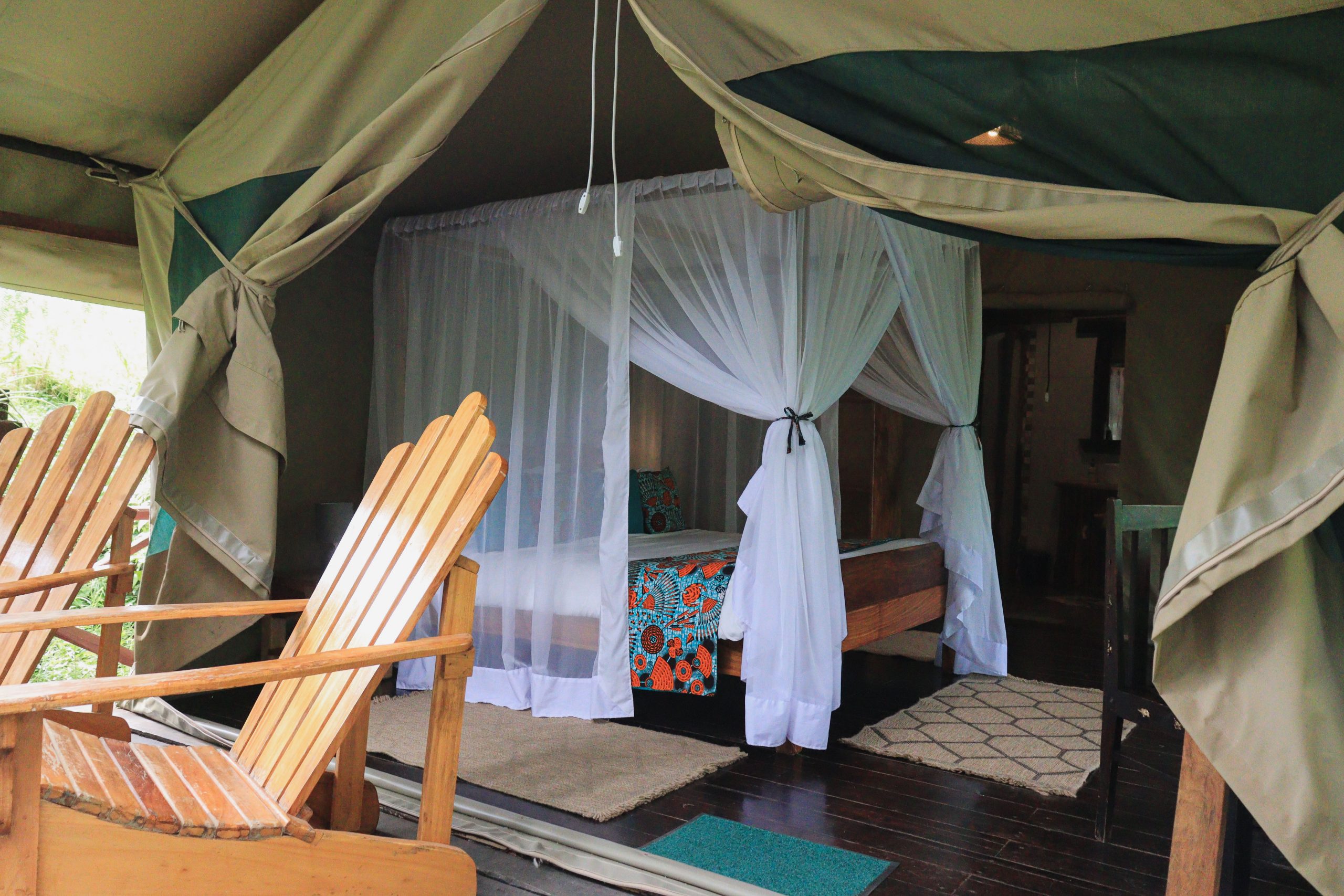
- Exclusive Safari Tents: For those who prefer the classic “under canvas” feel, our luxury tents provide a more immersive sensory experience—allowing you to hear the night calls of the plateau—without sacrificing en-suite comforts.
- Family Units: We offer specifically configured suites that allow parents and children to share the safari experience while maintaining separate sleeping areas.
In April 2026, we completed a light refurbishment of our sunset deck, specifically designed to optimize the 18:00 light for photographers capturing the Mount Kenya backdrop.
What is a Typical Day at Rhino Watch Safari Lodge?
Life here follows the rhythm of the wildlife.
- Dawn (06:00): Coffee and light breakfast served before departing for Solio. This is the peak time for tracking both black and white rhino as they move to water or grazing patches.
- Mid-Day: Return to the lodge for a farm-to-table lunch. Guests often spend these hours birdwatching from their private verandas.
- Afternoon (16:00): A second game drive or a guided walk on the property. Our guides often focus on the “Northern Specialists”—the Grevy’s zebra and reticulated giraffe.
- Evening: Sundowners on the deck followed by a three-course dinner.
Is Rhino Watch Safari Lodge suitable for families?
Yes. Unlike many deep-wilderness camps with age restrictions, we welcome families. However, we tailor the experience. While children under 12 may not participate in the on-foot rhino tracking for safety reasons, our “Junior Ranger” programs focus on identifying tracks and birds around the lodge grounds, fostering a genuine interest in Kenya Wildlife Service (KWS) conservation efforts from a young age.
How do you get to Rhino Watch Safari Lodge?
Most guests arrive via a 3 to 3.5-hour drive from Nairobi, traveling through the scenic highland tea and coffee plantations. Alternatively, scheduled flights land at Nanyuki Airstrip, followed by a 45-minute scenic transfer to the lodge. We recommend the drive for those who wish to see the transition of Kenya’s diverse landscapes first-hand.
Frequently Asked Questions
Is Rhino Watch Safari Lodge all-inclusive? Our standard rates typically include accommodation, all meals, and house-filtered water. Premium spirits, laundry, and specific park fees for the Solio Game Reserve or Ol Pejeta are often billed separately to allow guests flexibility in their daily itineraries.
How far is Rhino Watch from Nairobi? The lodge is approximately 180 kilometers from Nairobi. The journey takes roughly 3.5 hours by road. We can arrange private transfers with our professional drivers who provide an informal guided tour of the Central Highlands along the way.
What should I pack for my stay? Because we are at a higher altitude, evenings and early mornings are surprisingly cold. Pack a warm fleece or “puffy” jacket, long trousers, and a sun hat. Sturdy walking shoes are essential if you plan to join our tracking team on foot.
Do I need a visa to visit Kenya? Most international visitors require an Electronic Travel Authorisation (eTA) to enter Kenya. We recommend applying at least two weeks before your departure.
