
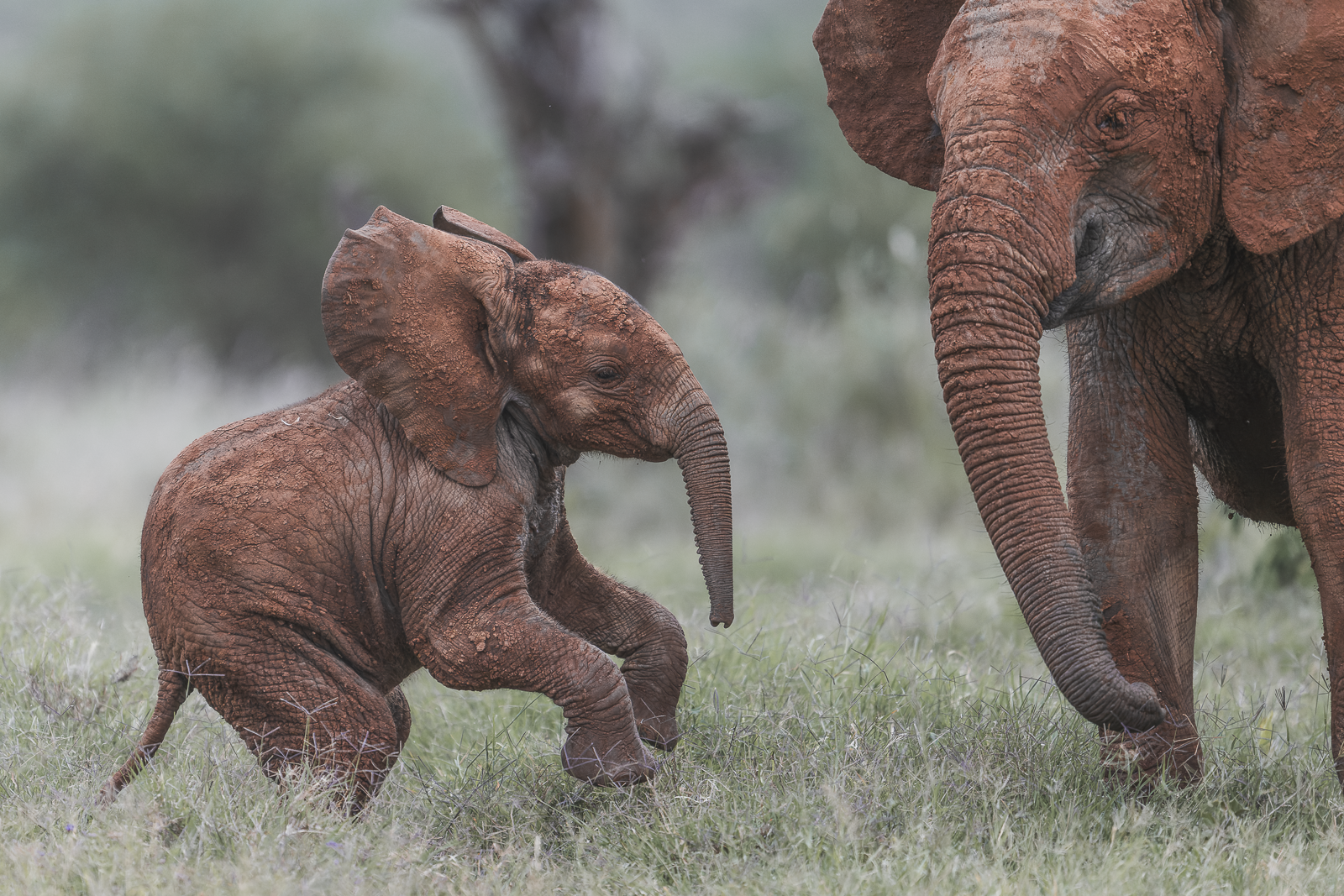
Ewaso Enclave Conservancy is a private, officially gazetted wildlife conservancy in Laikipia County, Kenya, established to protect a migration corridor for elephants while giving refuge to some of the region’s rarest wildlife, including a documented melanistic black leopard and a satellite-tracked pack of African wild dogs.
Quick take:
- Officially gazetted in October 2025, making it one of Laikipia’s newer conservancies
- Sits along the Ewaso Nyiro river, within an elephant migration corridor connecting to the wider Laikipia ecosystem
- Home to Giza, a black leopard with a verified, photographed territory, genuinely rare anywhere in Africa
- Also home to a satellite-tracked pack of African wild dogs, one of the continent’s most endangered carnivores
- The best way to stay inside the conservancy itself is Ewaso Elephant Crossing, opening October 1, 2026
What Ewaso Enclave Conservancy Is
Located along the Nanyuki-Ilpolei-Kimanjo Road in Laikipia County, Ewaso Enclave Conservancy describes its own mission as connecting landscapes and protecting wildlife, working to secure the land as a sanctuary for resident wildlife while maintaining a functioning corridor for migrating elephants moving through the wider region. The conservancy was officially gazetted by the Kenyan government in October 2025.
The conservancy organizes its work around three core areas: wildlife conservation and rangeland management, operations and security (including anti-poaching), and community outreach, which includes conservation education and livelihood support for the communities bordering its land. Its conservation approach, which it calls WISE (Wildlife In Sustainable Ecosystems), focuses on protecting migratory corridors and buffer zones, monitoring the health of the land itself, and tracking the status of threatened and endangered species within its borders.
What Makes This Conservancy Different
Solio Game Reserve, Ol Pejeta Conservancy, and Aberdare National Park, the three reserves most closely associated with the central Kenya highlands, are all long-established and relatively well known. Ewaso Enclave is different in a few specific ways. It is newly gazetted rather than decades-old, it is built explicitly around protecting a migration corridor rather than around a single flagship species, and it currently supports far fewer visitors, since access runs through a single small camp rather than multiple lodges and operators.
That combination means a visit here looks different too: fewer vehicles, a stronger focus on specific, individually documented animals rather than general game viewing, and conservation work that guests can see the direct effects of, rather than read about after the fact.
Giza: A Genuinely Rare Sighting
The conservancy’s best-known resident is Giza, a black leopard with a verified, photographed territory. Melanistic leopards, commonly called black leopards, are exceptionally rare and rarely documented in the wild anywhere in Africa. Giza is one of the very few individuals in East Africa with a confirmed, tracked territory, which is what makes a guided sighting here meaningfully different from a general “leopard might be around” claim elsewhere.
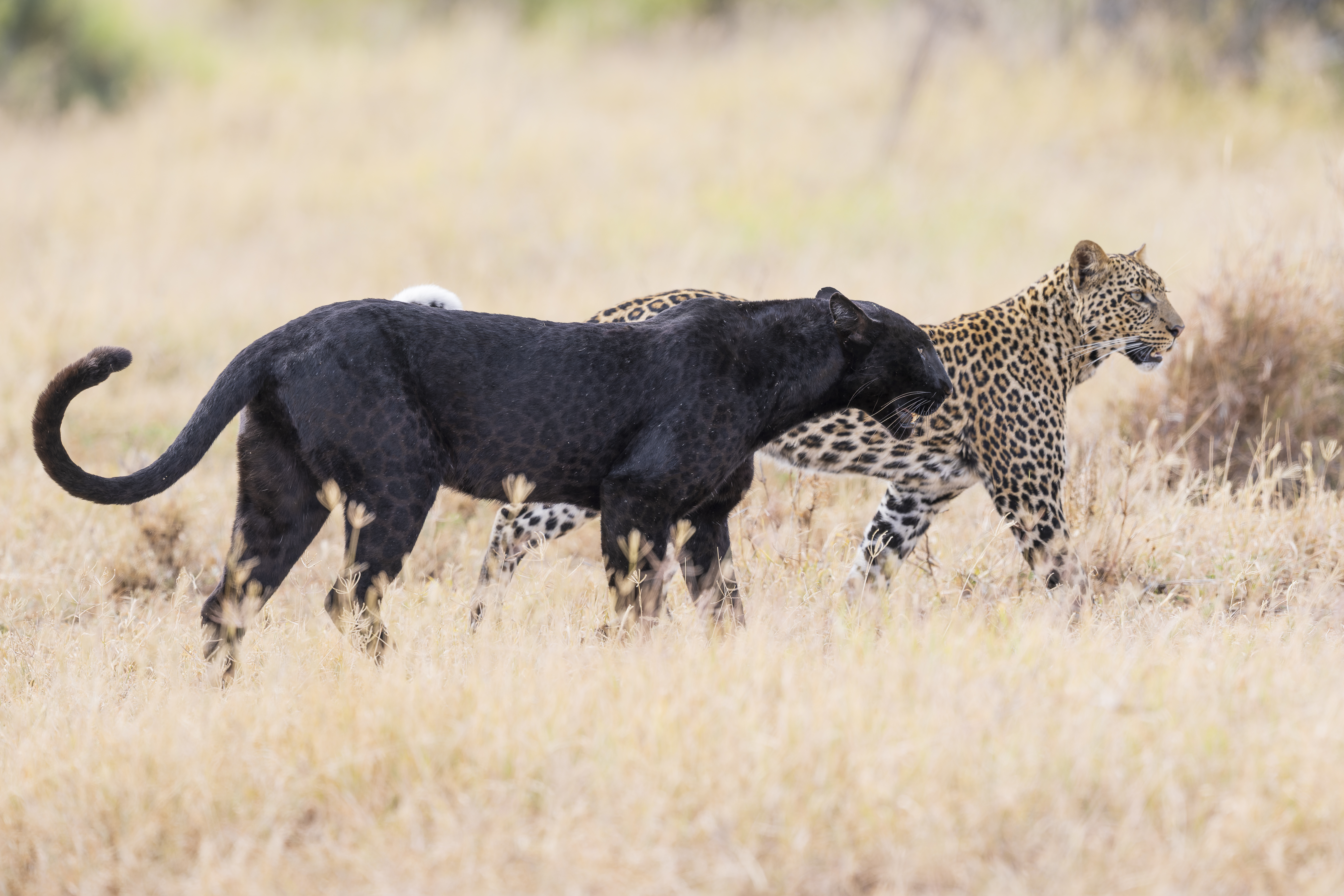
It’s worth being direct about what this means for a visit: Giza is a wild animal on her own terms, not a scheduled attraction. A guided safari can reach her territory within around 30 minutes of camp, and spotter teams track her movements from before dawn to brief guests each morning, but no responsible operator can guarantee a sighting, and none should claim to.
The Elephant Corridor and the Wild Dog Pack
The Ewaso Nyiro river runs through the conservancy and forms a permanent water point that draws elephant herds crossing through on established migration routes, the same corridor the conservancy was created to protect. Guests can observe crossings from a purpose-built hide positioned to watch without disturbing the animals’ own patterns and timing.
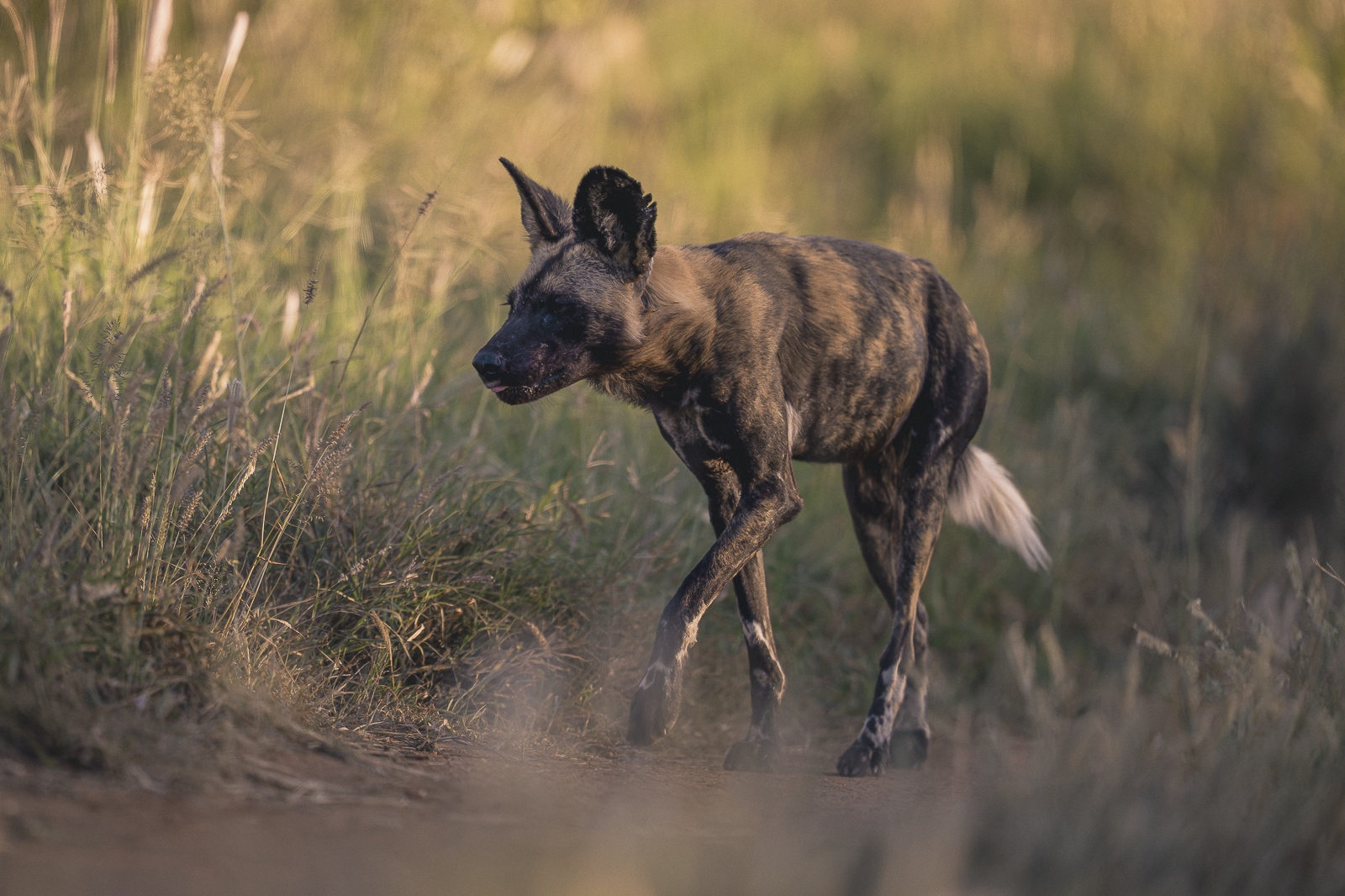
The conservancy is also home to a satellite-tracked pack of African wild dogs, one of the most endangered carnivores on the continent. Tracking data on the pack contributes to broader conservation monitoring of the species in the region.
Staying Inside the Conservancy: Ewaso Elephant Crossing
Because Ewaso Enclave is a private conservancy, the only way to stay inside its boundaries, rather than simply visiting on a day excursion, is Ewaso Elephant Crossing, a small photo hide camp opening October 1, 2026, with six luxury safari tents and two cabins, deliberately kept small.
The camp is built around day and night photography hides positioned for wildlife viewing without disturbing the animals, guided walks led by Dalmas, a certified naturalist and birding specialist native to the area, and direct access to Giza’s territory and the elephant corridor described above. Rates start from 500 USD per person per night on a fully inclusive basis, covering meals, game activities, and hide access. Bookings run through Rhino Watch Safaris Ltd, the same company behind Rhino Watch Safari Lodge.
Given the camp’s small size, limited vehicle numbers, and October 2026 opening, availability for the inaugural season is genuinely limited. Reserve your stay at Ewaso Elephant Crossing →
Frequently Asked Questions
What is Ewaso Enclave Conservancy?
Ewaso Enclave Conservancy is a private, officially gazetted wildlife conservancy in Laikipia County, Kenya, established in October 2025 to protect an elephant migration corridor and give refuge to rare wildlife, including a documented black leopard and a tracked African wild dog pack.
Can you guarantee a sighting of Giza the black leopard?
No. Giza is a wild animal with a tracked but not scheduled territory. Guided safaris can reach her territory and spotter teams track her movements, but no responsible operator can guarantee a sighting.
How do you stay inside Ewaso Enclave Conservancy?
The only accommodation within the conservancy’s boundaries is Ewaso Elephant Crossing, a small photo hide camp opening October 1, 2026, with six tents and two cabins.
How is Ewaso Enclave Conservancy different from Solio, Ol Pejeta, or Aberdare?
It is newly gazetted rather than long-established, built specifically to protect a migration corridor rather than around a single flagship species, and supports far fewer visitors since access runs through one small camp.
