
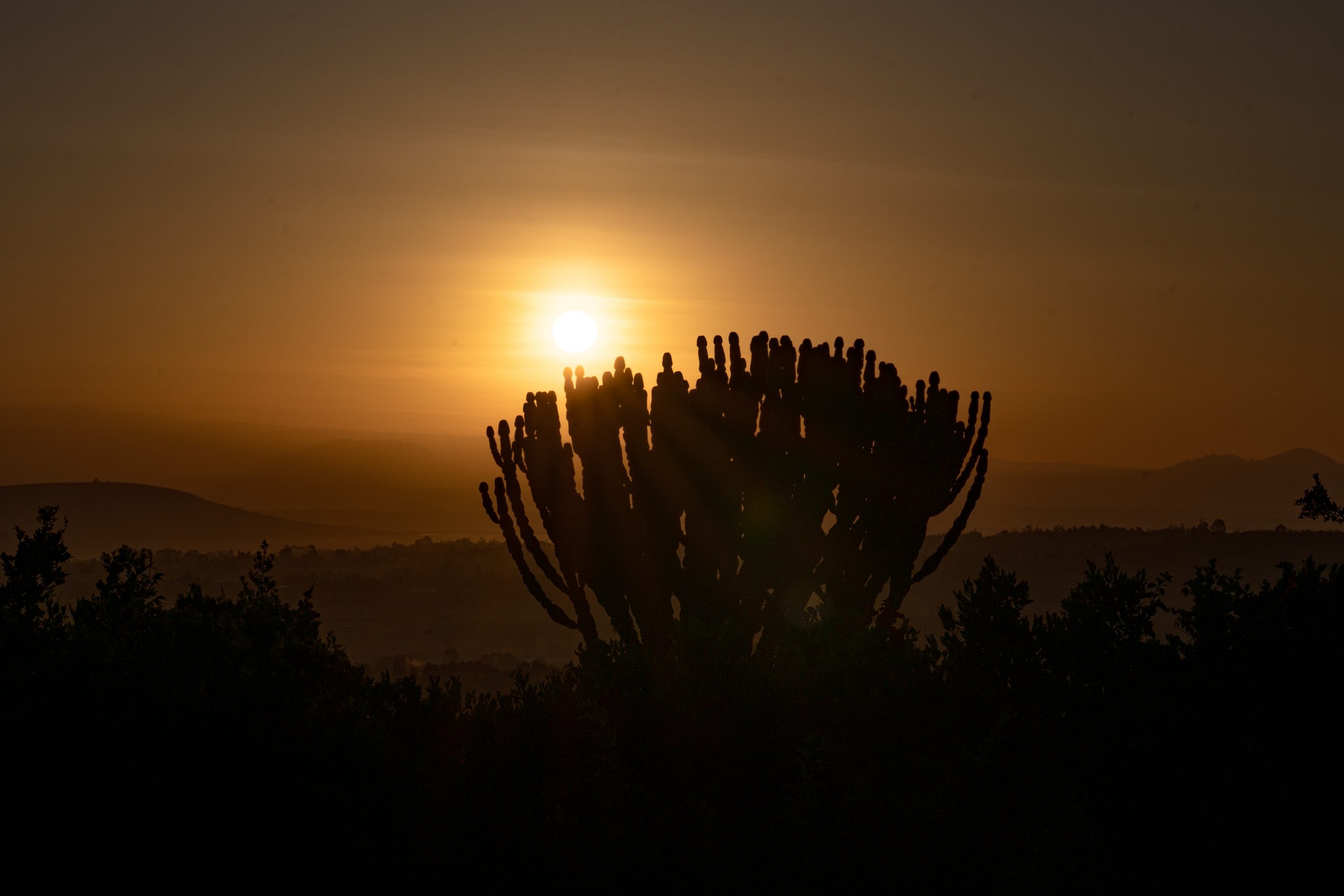
A first-time safari in Kenya means early mornings in an open 4×4, unhurried hours spent watching wildlife on its own terms, and evenings that end with a sky full of stars over the highlands. It is less like a tour and more like stepping into a rhythm that has very little to do with checking things off a list.
Quick take:
- A safari day runs on wildlife time, not clock time: early morning and late afternoon game drives, with a rest in between
- Kenya has two dry seasons (roughly June-October and January-February) and two wetter seasons, and the “best” one depends on what you want from the trip
- Entry to Kenya requires an Electronic Travel Authorization (eTA), applied for online before you travel
- Pack for layers: cold highland mornings, warm afternoons, and strong sun in between
- Staying in a private conservancy area, rather than only a public reserve, opens up night drives, walking safaris, and off-road access
What a Safari Day Actually Looks Like
Wildlife is most active at dawn and dusk, so the day is built around those windows. Most mornings start before sunrise with a light breakfast or coffee, then a game drive of two to three hours while the light is soft and animals are still moving before the day heats up. Midday is for resting, eating, and sitting out the heat, the same instinct the wildlife follows. Late afternoon brings a second game drive, often running into sunset, followed by dinner and an early night, since tomorrow starts just as early.
Nothing about this is scripted. Some drives bring a string of sightings back to back. Others are quiet, just birdsong and open landscape, until suddenly they are not. That unpredictability is part of what makes a first safari memorable rather than merely photographed.
When to Go: Kenya’s Four Seasons
Kenya does not run on a simple summer-winter calendar. Instead, the year splits into two dry seasons and two wetter ones, each with a different feel:
- Long dry season (roughly June to October): The most popular stretch for game viewing, since wildlife concentrates around water sources and roads are at their most passable.
- Short dry season (roughly January to February): A quieter alternative with strong game viewing and fewer other travelers.
- Long rains (roughly March to May): Heavier rainfall, greener landscapes, and some areas harder to access.
- Short rains (roughly November to December): Lighter, more intermittent rain.
There is no single correct month. A first-time traveler prioritizing guaranteed dry roads and predictable viewing will lean toward the dry seasons; someone drawn to quieter landscapes and dramatic skies may prefer the shoulder months.
Entry Requirements: Kenya’s eTA System
Since January 2024, Kenya has replaced visa-on-arrival with an Electronic Travel Authorization (eTA), applied for online before departure through the official government portal, etakenya.go.ke. The fee is around 30 USD, and most applications are processed within a few days, though it is worth applying at least a week ahead of travel. Airlines check for an approved eTA at check-in, so this is not something to leave until arrival.
A passport valid for at least six months beyond your travel dates is required, along with proof of accommodation. Travelers arriving from, or transiting through, a yellow fever endemic country should also check current yellow fever vaccination requirements before departure.
What to Pack
A safari packing list is shorter than most people expect, but a few specifics matter:
- Neutral-toned clothing (khaki, olive, muted tones) rather than bright colors or stark white, which can be more conspicuous to wildlife
- Layers, since highland mornings can be genuinely cold before the sun is fully up, while afternoons warm quickly
- Sun protection, including a hat and high-SPF sunscreen, given how strong equatorial sun is even on overcast days
- Binoculars, especially useful for birdlife and distant sightings
- A light rain layer if traveling during the wetter months
Private Conservancy vs. National Reserve
One of the more consequential decisions a first-time traveler makes, often without realizing it, is whether to stay near a public national reserve or a private conservancy. Public reserves are open to any licensed operator and generally restrict visitors to marked roads during daylight hours. Private conservancies operate under their own rules and often allow night drives, guided walking safaris, and off-road access, since vehicle numbers at any one sighting are limited by the conservancies themselves.
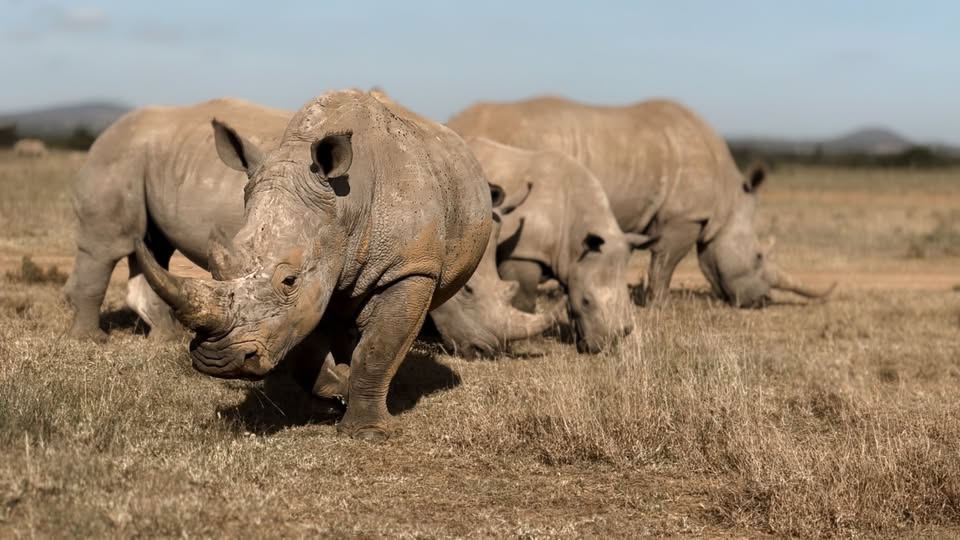
This is part of what makes the central Kenya highlands distinct. The region sits within reach of three separate wildlife reserves, each with its own character: Solio Game Reserve, one of the country’s dedicated rhino sanctuaries, Ol Pejeta Conservancy, and Aberdare National Park.
Finding Your Base in the Highlands
Rhino Watch Safari Lodge sits in this same stretch of the central Kenya highlands, within reach of all three reserves above. Guests describe game drives here in specific, grounded terms rather than vague superlatives:
“The game drives to Ol Pejeta were extraordinary. We saw rhinos up close, something we’ll never forget. The lodge itself feels like a home in the wilderness.” — Klaus W., Germany, Booking.com
“Aberdares NP is close to the property and has a totally different climate from the plains, well worth it for gorgeous scenery… The most amazing thing was the perfect view of Mount Kenya.” — Andreas, United States, Booking.com
For a closer look at what a stay at Rhino Watch itself involves, from arrival to daily rhythm, see our complete guest guide. You can also browse the lodge’s own activities and game drives directly.
If a first safari in Kenya’s highlands sounds like the trip you are picturing, you can check availability directly with the lodge.
Frequently Asked Questions
Do I need a visa to visit Kenya for a first-time safari? Yes, but not a traditional visa. Since January 2024, Kenya requires an Electronic Travel Authorization (eTA), applied for online at etakenya.go.ke before you travel, at a cost of around 30 USD.
What is the best time for a first-time safari in Kenya? It depends on priorities. The long dry season (roughly June to October) offers the most predictable game viewing and passable roads, while the short dry season (January to February) offers similar viewing with fewer other travelers.
Is a private conservancy better than a national reserve for a first safari? Neither is universally “better.” Private conservancies typically allow night drives, walking safaris, and off-road access, while public reserves are open to more operators. Many first-time travelers to the central Kenya highlands stay within reach of both.
What should I pack for my first Kenya safari? Neutral-toned clothing, layers for cold mornings and warm afternoons, strong sun protection, and binoculars are the core essentials. A light rain layer is worth adding during the wetter months.
